
Amanda was born in 1968 in Co. Monaghan. She is one of the youngest of ten children and describes growing up in a large family where her older siblings had begun to move away. Amanda talks about her mother converting to Catholicism and she reflects on the importance of religion in the family.
Amanda discusses her teenage years and experience of attending a Convent school and how she and others were treated. She discusses her and her family’s interest and involvement in Irish history and politics of the time. Amanda describes herself as rebellious and concerned about injustice and her mother’s worries about this. She talks about her own social and love life when in her teens and twenties and reflects on the attitudes to sex and contraception at this time.
Amanda shares how she came to the decision to train as a nurse. She describes her experience of living in Bedfordshire, England for her training. She describes travelling to England and meeting other Irish trainees who are still friends today.
Amanda talked about her continuing ambition to return to education and how this was achieved with courses at Luton University whilst working as an agency nurse. This led to her work with a housing association and later a master’s degree with Loughborough University whilst raising two sons. Both sons are now in higher education themselves and Amanda is keen that they retain their Irish identity.
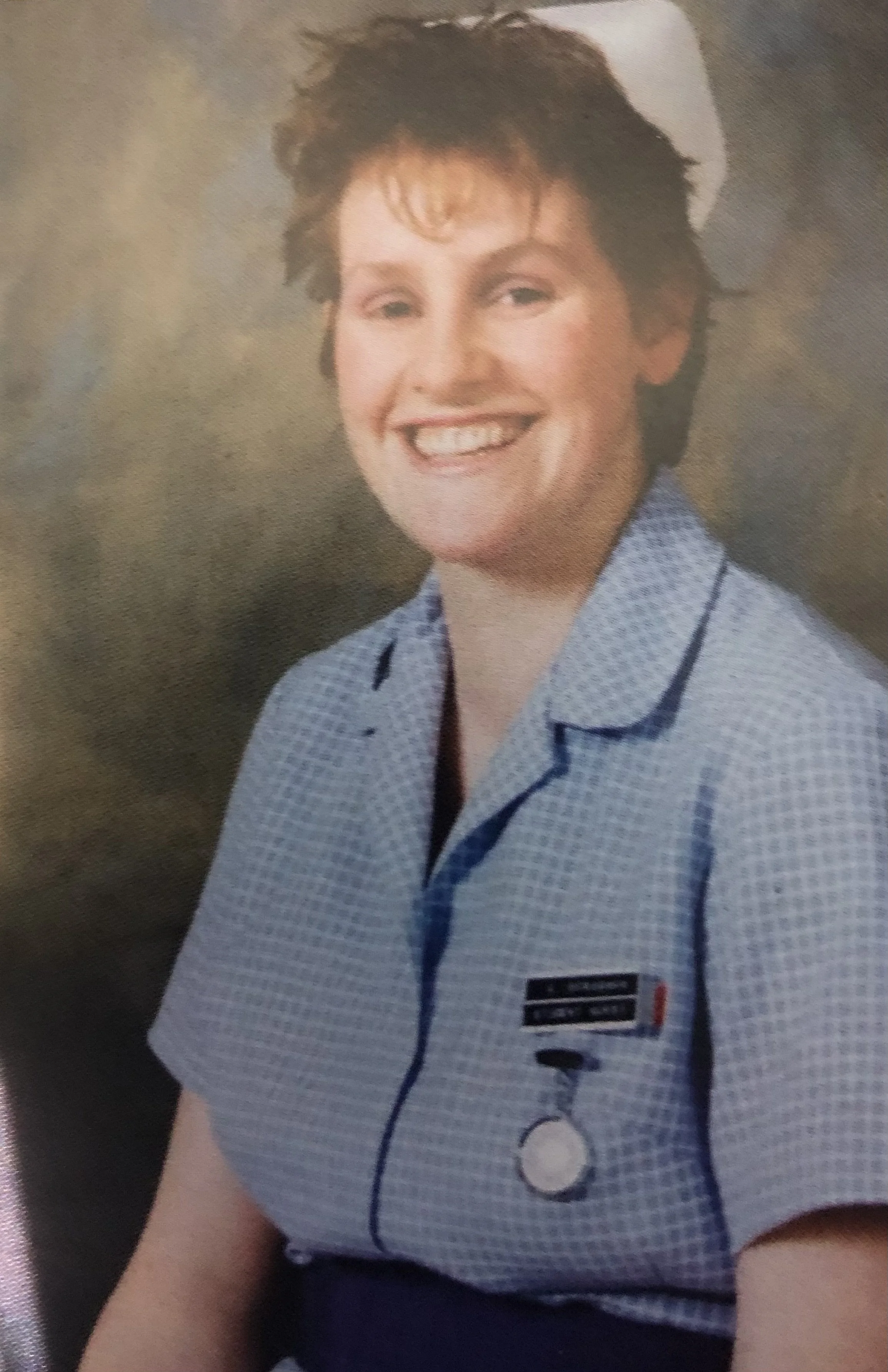
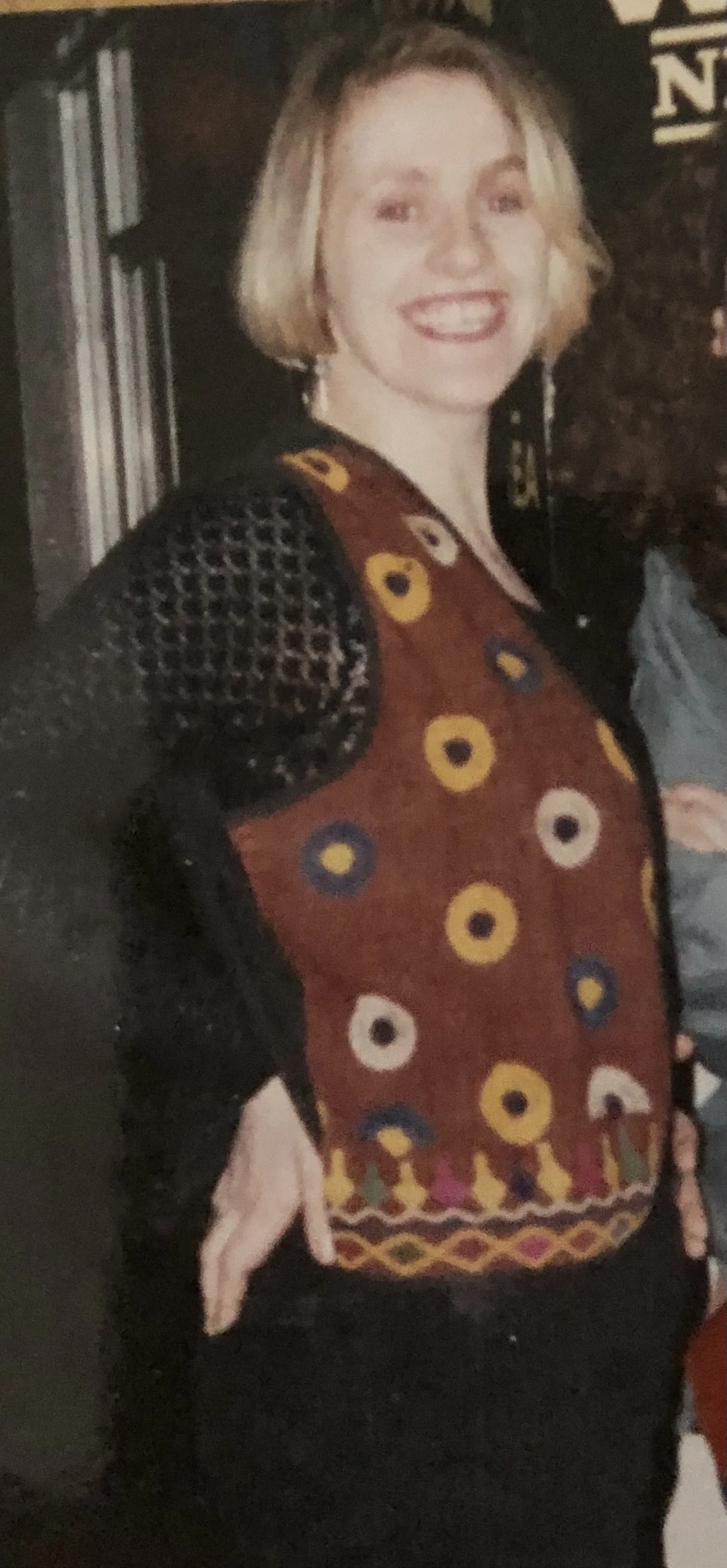
Amanda talks about attitudes towards sex and contraception in the 1980s…
“Yeah. Well, I mean, like at fifteen, sixteen. I mean like sex awareness, certainly living in Ireland, like in the early eighties, I mean, contraception wasn't even legal. And I remember when I was in Carlow, my friend Elaine, who liked to think of herself as a bit avant-garde, she was repeating her Leaving Cert. She was from, like— had been in school with me. Her family were incredibly wealthy, so she was at some posh place in Leeson Street. I'm living in rooms out in Rathmines and I used to go and see her sometimes in Dublin and— Because I did find Carlow quite a lonely time. And I used to go and see her on a Saturday and she— I remember going to the— what was the name of it? Was it HMV? It was the Virgin Megastore or something down there beside O'Connell Bridge and they were selling condoms and there was a huge to-do about it. I mean, it was just absolutely nonsense, when I think back to it and the fact that— And then you'd the Church out shouting and screaming and condemning this and condemning that and, you know, and the hypocrisy now when we look back on that, like in terms of them.
But it was very— sex wasn't something within my sort of circle. Sex wasn't something that actually that people were actively doing. When I look at the younger people now, and I'm seeing this through the lens of, well, actually, even with my sons when they were in the mid-teens, I was shocked by some of the girls that they— they were— they would come to my house— And I would never go to into, you know, my boyfriend's house and into their bedroom when their mother was in the house. Just not, I mean, my God. So, but you know, times have changed and whatever. So, but there wasn't really— and then when we went— when I was living Bedford, I mean, when I was then in Bedford, I then went to do my psychiatric placement. I wanted— I didn't want to do it in Bedford Hospital, I wanted to do it in in a different location. So I went to out to an old Victorian mental health unit. They would have called it as a—, you know, mental health, what was it? A mental hospital, which is disgusting term. But it was one of those old— sort of out in the middle of nowhere. It was near Hitchen in Hertfordshire. So I spent my time out there. I met a guy there and, you know, sex then was sort of on the agenda, but I wouldn't have discussed that or talked to friends about that at the time. Absolutely not. Those were not the sort of discussions that myself and my friends had. Whereas now with my sort of like friendship group that I have now here, certainly living in Barrow, like and at my age, that actually, that it'd be sort of like more open, and you know, in terms of talking about them.”
For more information on accessing Amanda’s full interview or transcript please email faisneis@unaganaguna.org

