
Dr Angela Byrne discusses her life, from her roots in Bray to her now-home in London. The younger of two children, Angela speaks to growing up in Bray with her older brother, her flower-shop worker mother and her market gardener father. Politics was a huge part of Angela’s life, from home to secondary school to university to her adult life. Attending Loreto Convent in the 80s, Angela reminisces on the pop culture and music scene of the time. She describes this as an intensely political time in Ireland, referencing the Eight Amendment, Ann Lovett, and the AIDs Crisis. Studying Psychology and Sociology in Trinity, Angela references class, feminism, sexual health and activism, all of which played a part in her young adult life. With summers spent abroad working, like many Irish students in the mid 80s, Angela travelled to London, Copenhagen and Berlin. At this period in her life, Angela reflects on the disappointment of the defeated 80s Divorce Referendum, the struggle with the conservative politics of Ireland of the time, the anti-Irishness in London and the impact the Troubles were still having. Angela speaks to the 80s experience of emigrating, ending up in London to pursue a career in psychology, ultimately working in sexual health services. In her experience of emigration, Angela reflects on traversing place and belonging as an emigrant and the healing nature Repeal the Eighth brought to her relationship with Ireland.
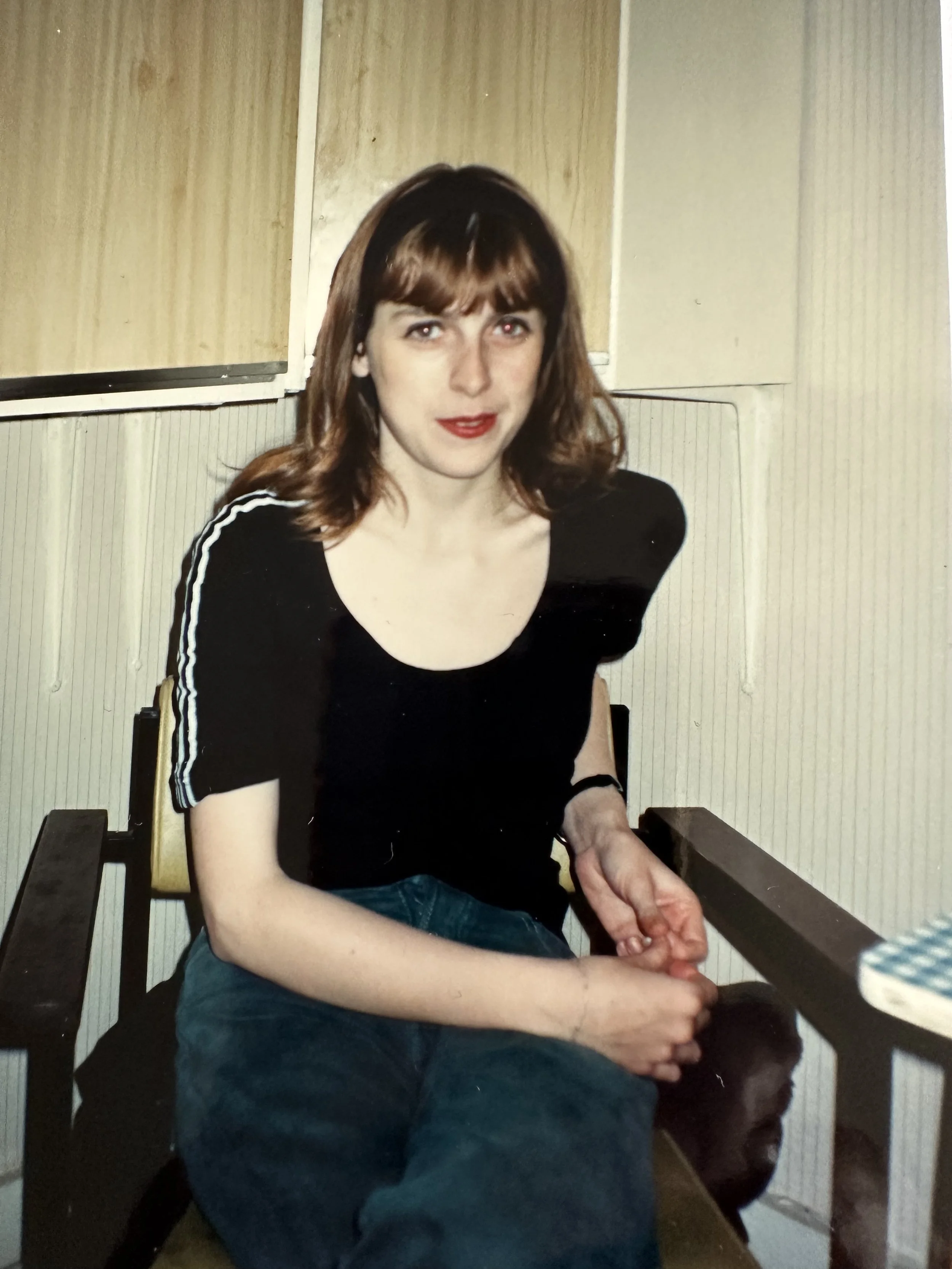
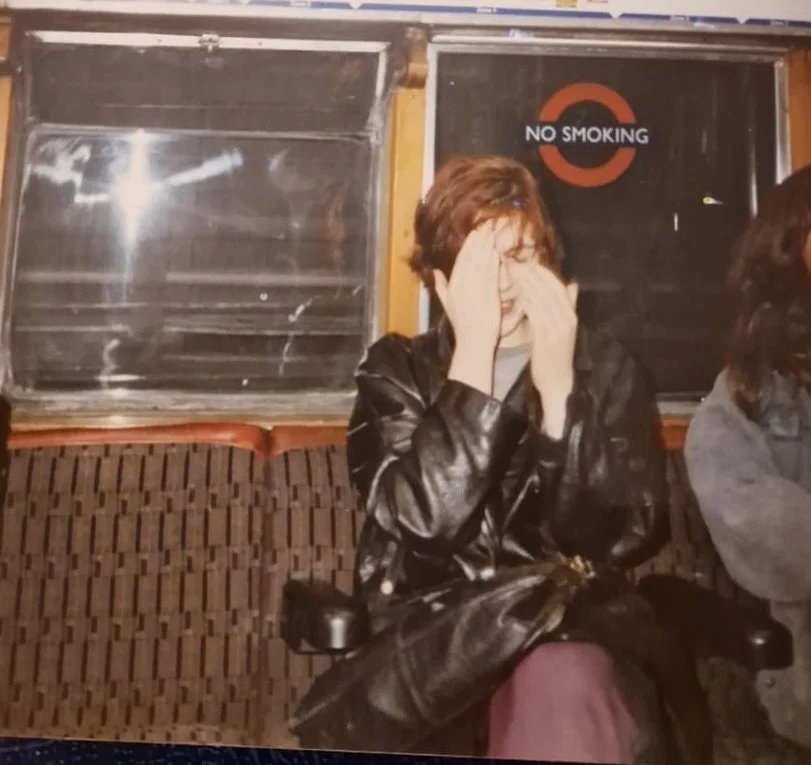
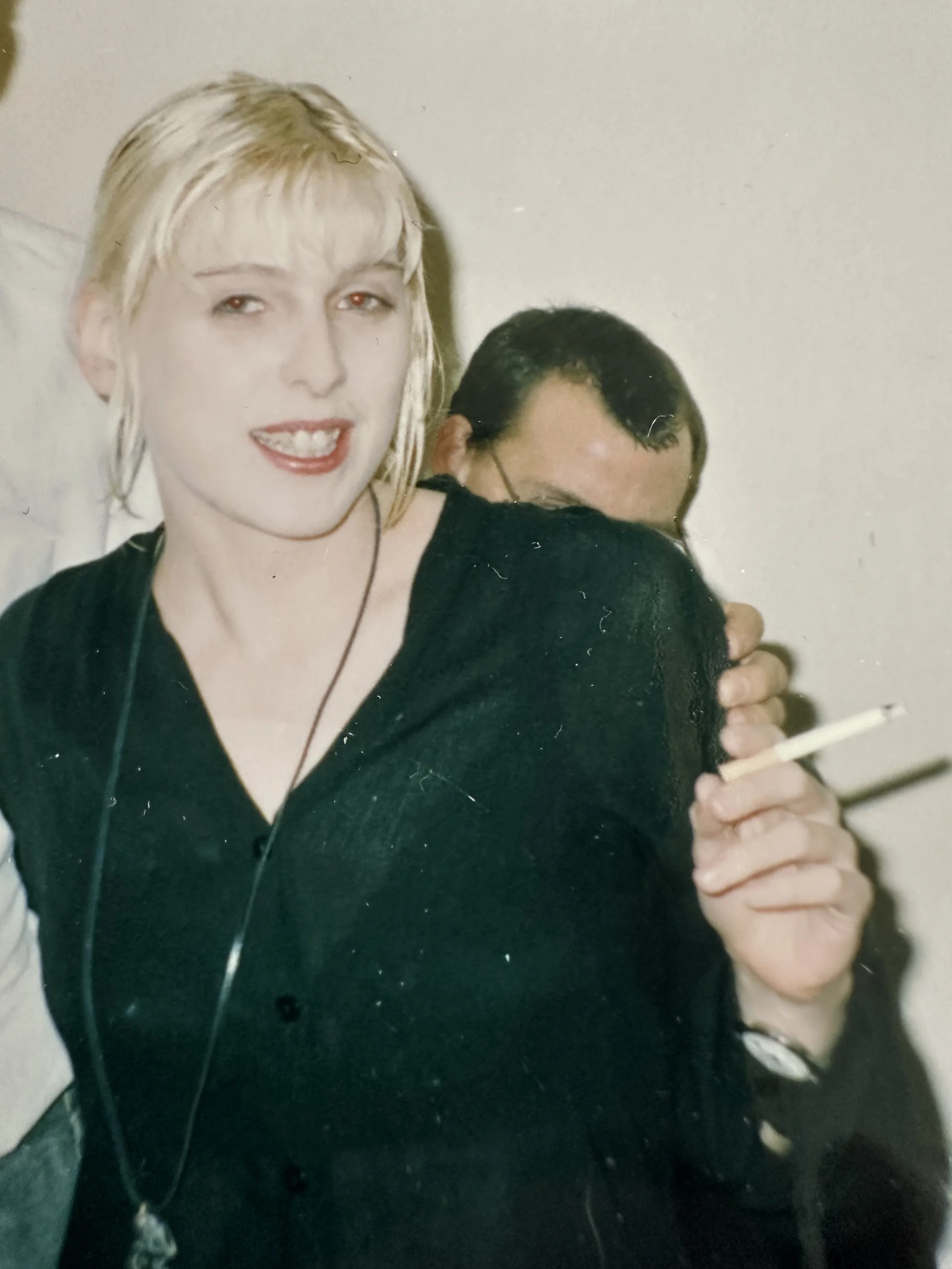
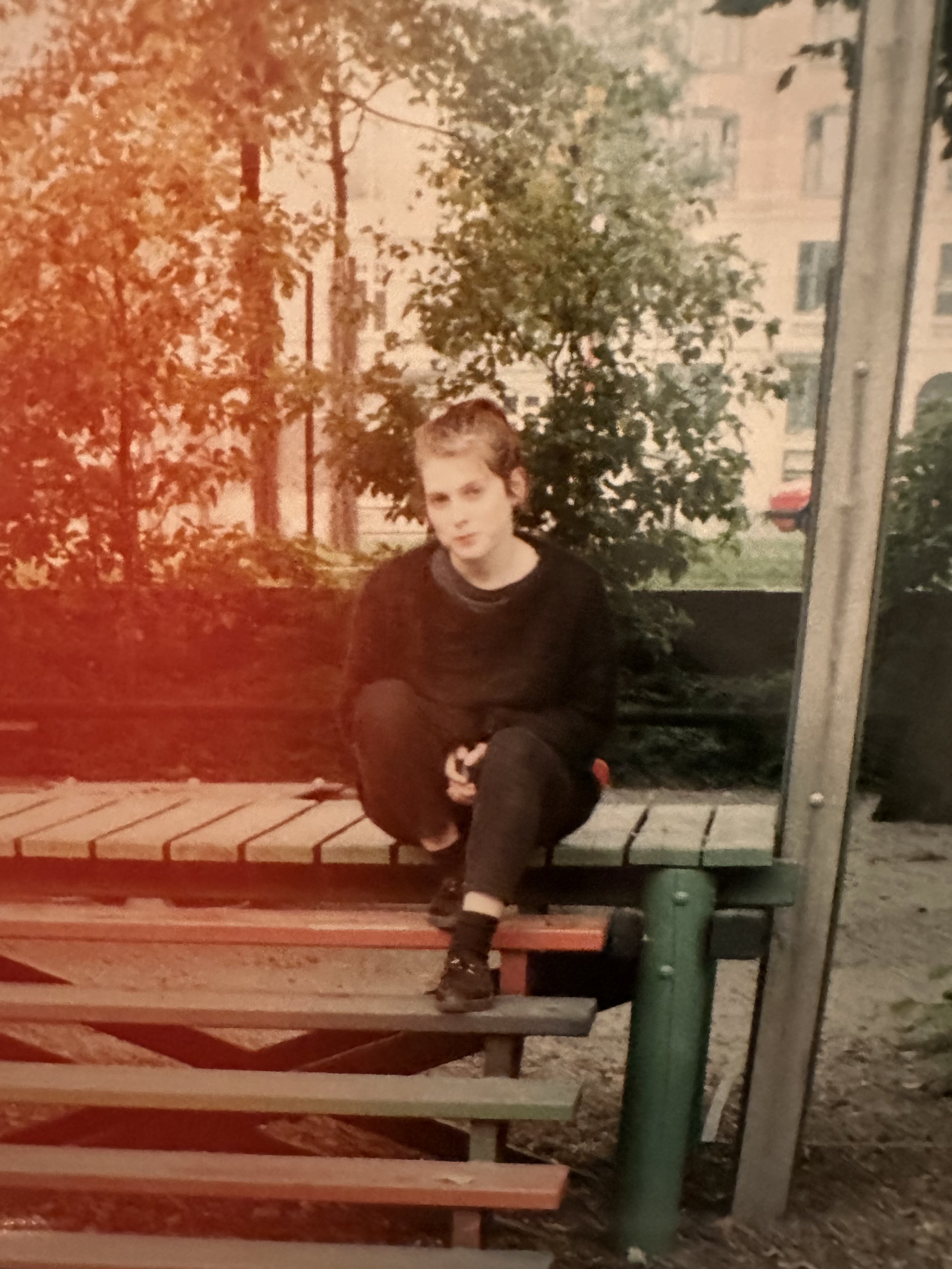
Angela shares how she felt about the Eighth Amendment being voted in…
“It was around then that I kind of had my first real political experiences as well. Um, because that was the year that the Eighth Amendment was voted into the Constitution about abortion. And I can remember being really enraged at that time because in my household there was, like, me and my brother, and he was now 18 so he could vote. I was 15, and I couldn't vote. So everyone else in the household could vote on something that was only ever gonna affect me. Um, and I can just remember being so angry about that and I never lost that. […] When I was at school, the nuns, there was just this assumption that you would support that. And they tried to get us all to buy these badges that were put out by SPUC, the Society for Protection of the Unborn Child. And they were like little feet. It was supposed to represent feet of a foetus. Um, and I refused. I took a stance and said, no, I'm not gonna do that because I was against what was happening.”
And her later involvement in the Repeal the Eight campaign with the London Irish Abortion Rights Campaign…
“I think the first thing I ever did with them was march in the St. Patrick's Day Parade, which, like, the idea of me marching in the St. Patrick's Day Parade, I was like, never in a million years would I have thought I would do that. But we needed to, you know, obviously represent for abortion rights. And, it was an incredible experience, actually. We expected, I think, to get a lot more hostility than we did, and we got incredible support. It was very moving, actually. And so then, yeah, I think ah most of those women were a lot younger than me. I was one of the real oldsters. And, talking to young Irish women, I just thought they were amazing and fantastic, and I really loved them, and their energy and what they were doing. And so then I just got a lot more connected. And I think repealing the eighth was such a big thing in my life. when that happened, it really made me able to love Ireland again, in a way that I... Ah it was a kind of healing thing.”
For more information on accessing Angela’s full interview or transcript please email faisneis@unaganaguna.org

