
Geraldine was born in Dublin in 1960. She describes herself a very quiet well-behaved girl who became more rebellious in her late-teens. Geraldine talks about her schooling, recalling the negative and heavy-handed approach of the nuns. She shares that how they were taught Irish made her hate the language well into her twenties and thirties. She describes the materials and methods as very old-fashioned and how the pupils hated the stories of Peig from the Blasket Islands. Geraldine discusses leaving school after taking her Leaving Certificate, going to Secretarial School, and then moving to an office job at a local firm.
Geraldine affectionally recounts her social life in Dublin, laughing about how some of the places she socialised at were places that ‘ your mother wouldn’t want you to go to’. She remembers valued holidays and friendships in this period, including some that have continued to the present day.
Geraldine talks about her family and having a very loving, solid base. She described her father as lovely and having a great sense of humour, noting how his being very involved with his children and helping out around the home was unusual for the time. Geraldine recalls that her mother was very practical and dealt well with her teenage rebellion, which included refusing to go to Mass. She tells of her mother and father’s deaths when she was her late twenties/early thirties and of the sadness that her mother never talked about her illness. Geraldine reflects on how this has affected her life.
Geraldine talks about her decision to leave her long-standing job following a company merger and how this eventually led to a career in holistic medicine. This was followed by an unexpected return to further and higher education studying English and History. Geraldine concludes with a reflection on her growth of confidence and maturity in this period and the importance of sharing women’s stories.
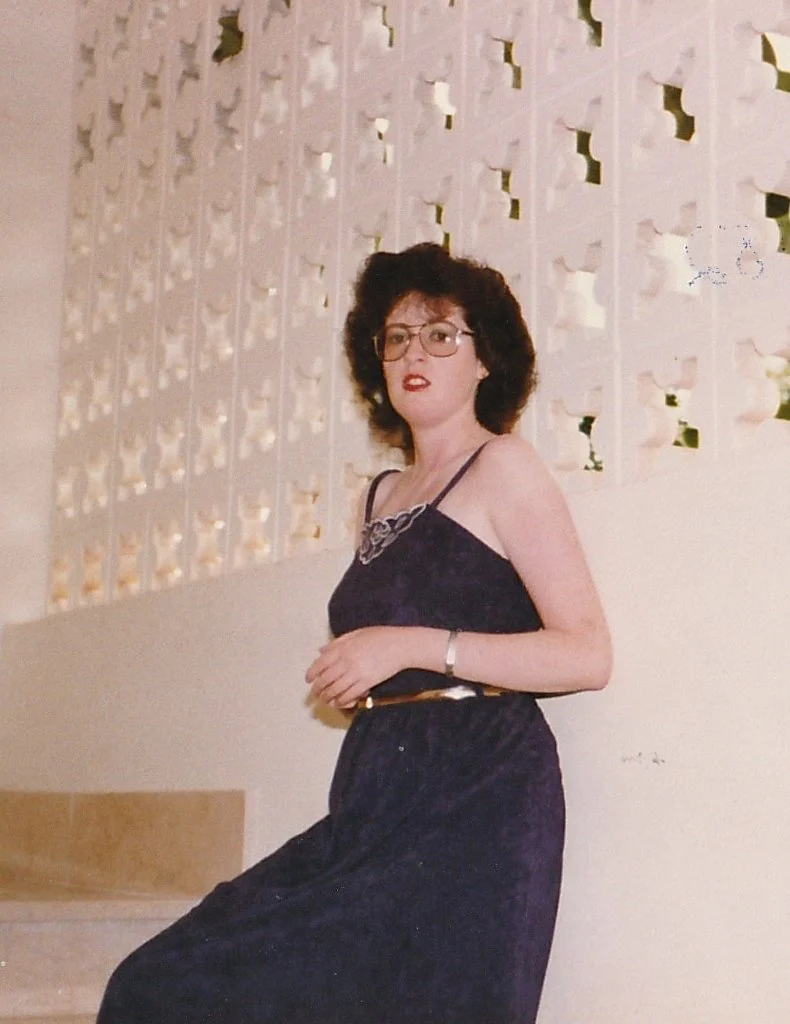
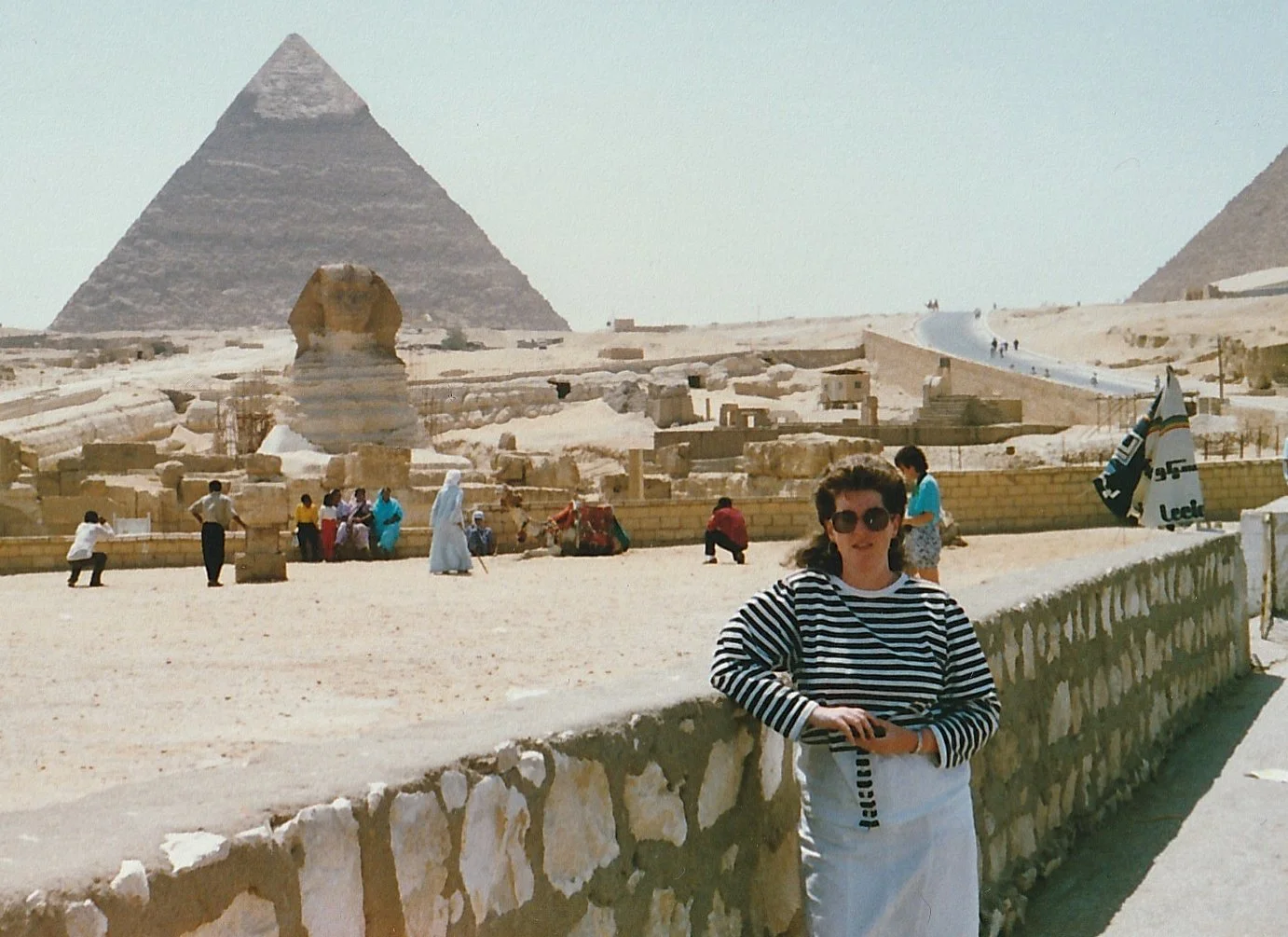
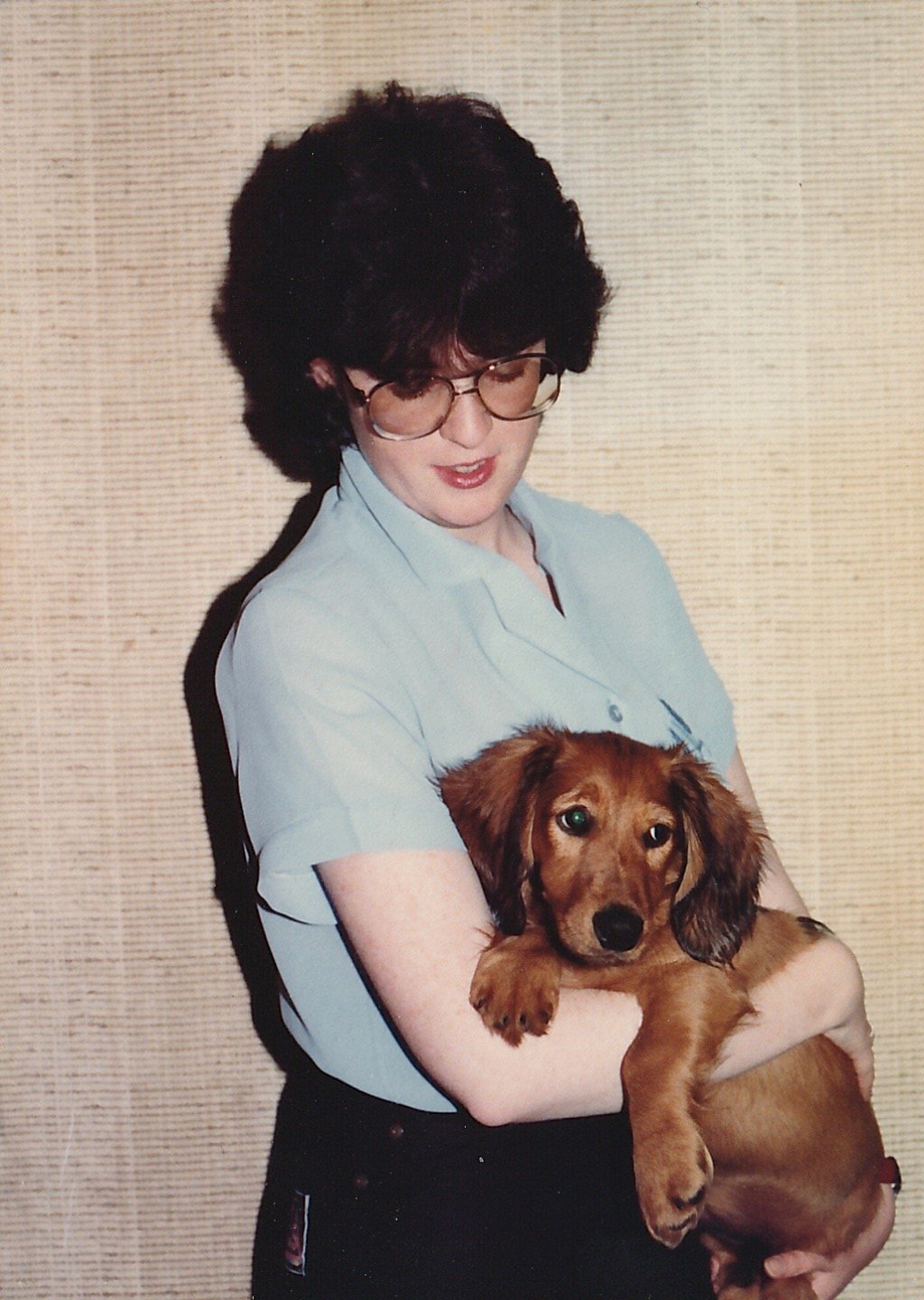
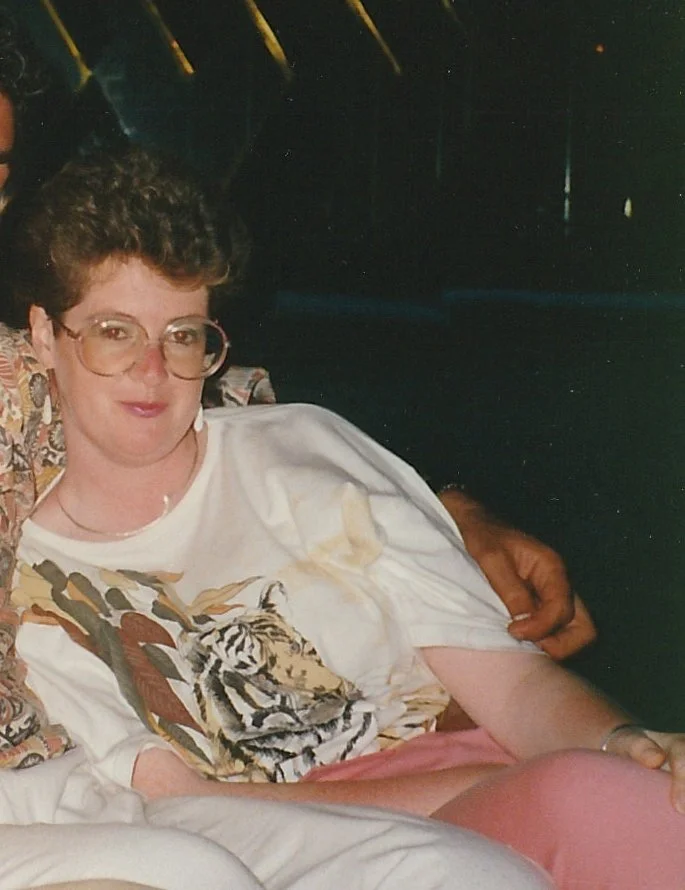
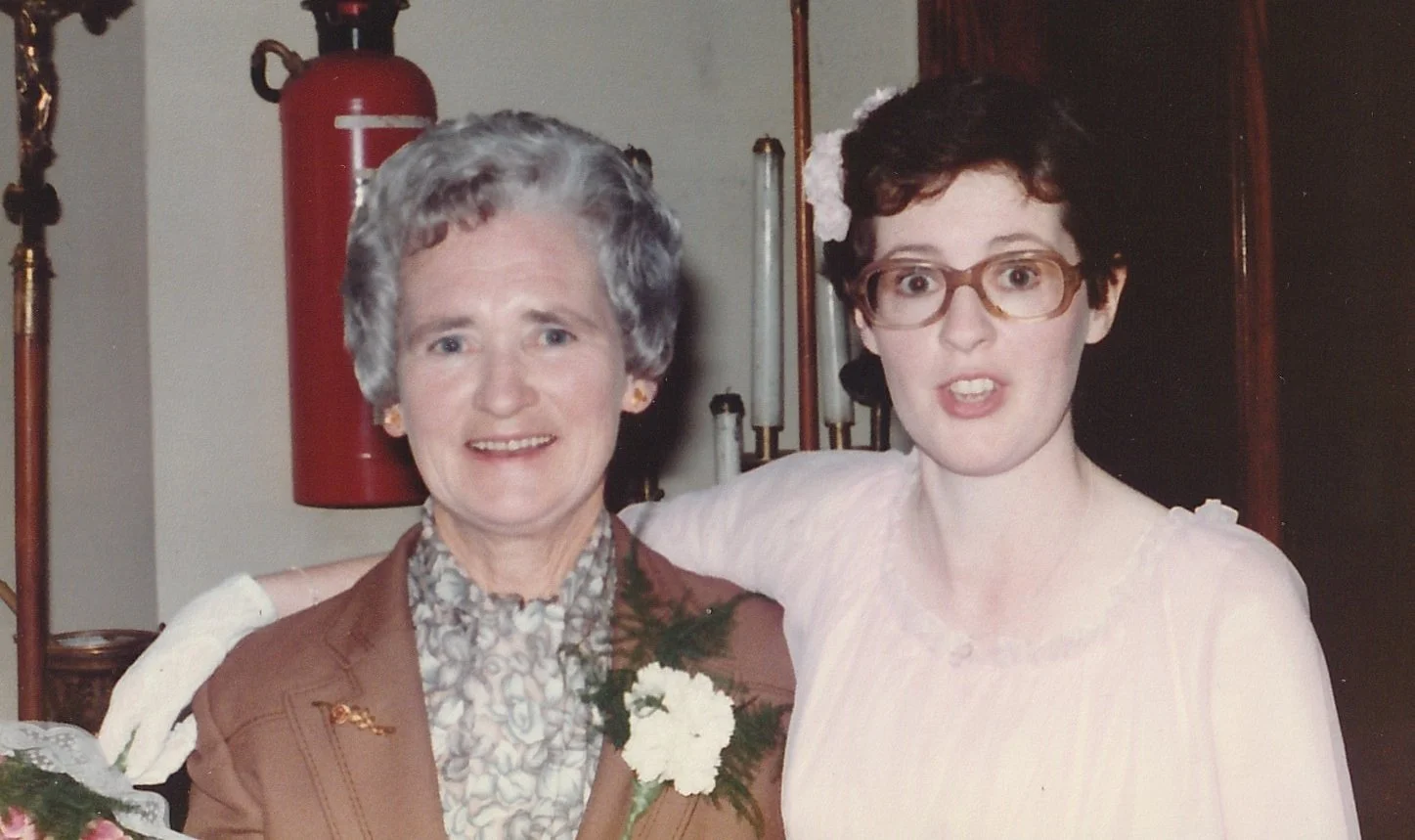
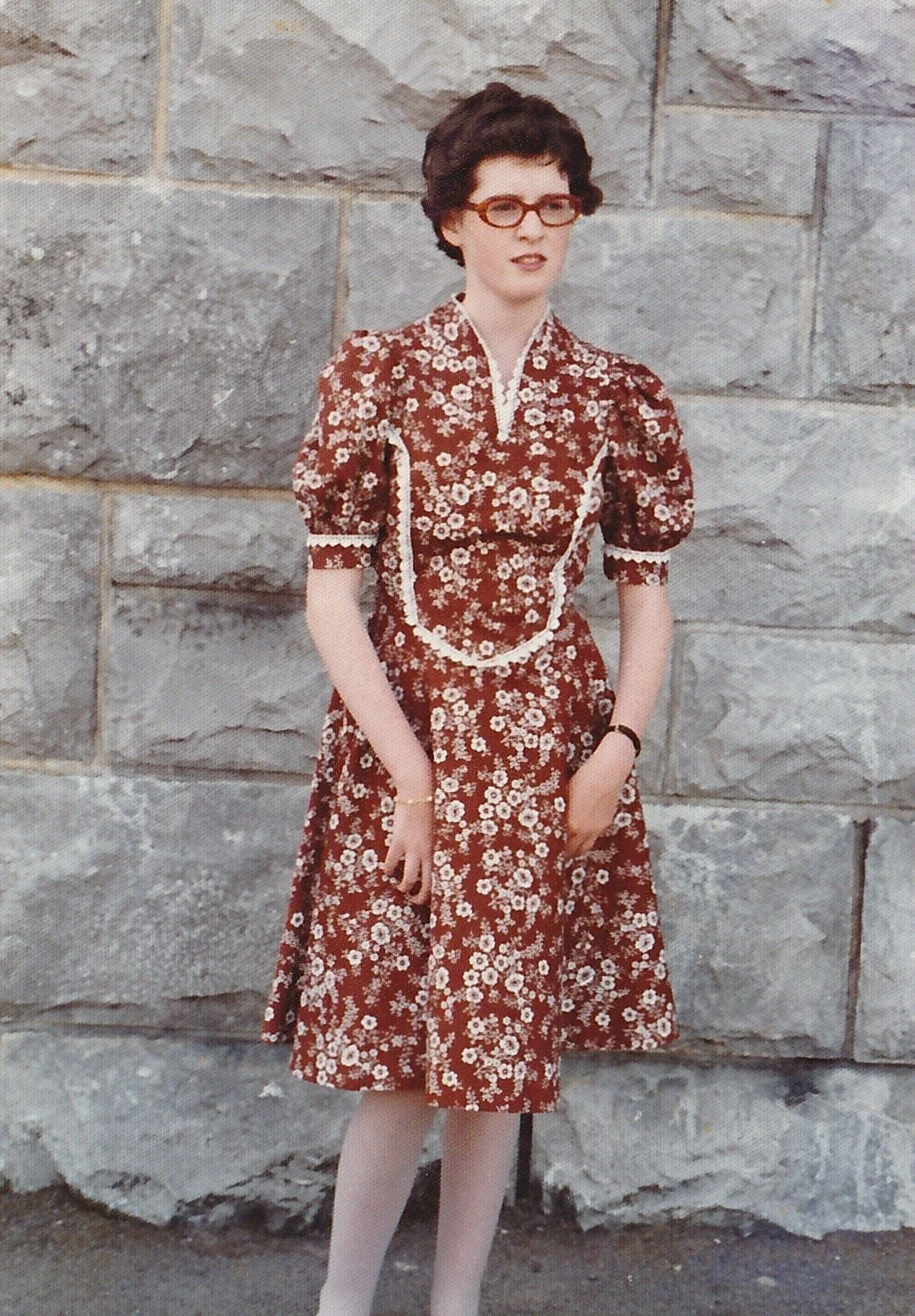
Geraldine talks about her the pubs she went to to see live music…
“Yeah, I went out quite a lot actually. I suppose we'd go to music, I'd go to a lot of music. There was—yeah, when I think of it now, we went—so, you would have had smaller venues. This is what's interesting. Now, I don't know—I suppose we do have venues now in Dublin, but we had the infamous Baggot Inn, which was—it's just—Baggot Inn is just in the centre of town, just a bit—just a bit out and that was falling apart but you got the best artists there. I would have—so we all listened to—I suppose it was rock and pop—light rock and pop but I really liked heavy rock because my brother-in-law was quite an influence there so I would have—of the likes of Rory Gallagher and Jimi Hendrix and all that. But my friends would have—you’re talking about your James Taylor's and I'm trying to think now, you know those kind of—Jesus, I can't think exactly. But I remember The Baggot Inn had up-and-coming bands. A few people would have played there and I would have really liked some of that. I still have some of their albums that—they’re bands that started out and did quite well and didn't continue on, but they were really good at the time. And the likes of Bagatelle might have—which people of my age would remember and they're still drift [ing] around the scene somewhere. But it was really the kind of the place your mother wouldn't want you to go [laughs] because it was dark. And I remember—crowded and I remember the wires. There was wires—you'd be sitting in, say, how do I describe? Little alcoves and there'd be things like that but there'd be pillars and there'd be wires hanging—you could see the wiring. So, it was a bit risky. Health and safety wouldn’t be too happy with it at all [both laugh]. And then there was always a takeaway van, like kebabs or something just outside. Their business acumen was great because they were just outside and as we all drifted out, drunk and happy, we had kebabs. But that was, actually, do you know where it is? It's—sorry. It's down—it was down from Stephen's Green. So, you would have gone to O'Donoghue’s. O'Donoghue’s is still standing, it’s a great pub—I loved that pub. So, we would have done some of the pubs around there. There was Madigan's in Fleet Street, which is just off O’Connell Street. So, we would have—and you would have gone through a few pubs before you reached your venue. And then I would have gone to—on the South Circular Road, which is a boxing stadium. And its principal is a boxing stadium—it's a national stadium—I think boxing stadium, but they had concerts there and they were some of the best concerts. Oh, yeah, they really were because it was a lovely, small venue. And I would have seen—Moving Hearts is another one that—I love Moving Hearts because they had this rock-celtic element. It was a mixture of Irish music and you would have—you would have seen quite a good few bands there. That was kind of—and I always—now we have the likes of the Three Arena and Bord Gáis and all that. And I suppose before you had—before you had the Three Arena or whatever, you had the Point Depot, which is down in—off O’Connell Street where you go straight down towards the docks. So, that was a bigger—that was the bigger venue. So, you would have gone to the bigger concerts there, like your Rod Stewart and such like.”
For more information on accessing Geraldine’s full interview or transcript please email faisneis@unaganaguna.org

